Kitchen odour, grease and noise control

Nowadays, the majority of kitchen extraction systems require some sort of odor control. Many also require noise and grease control, especially when the kitchen is near residences. Instead of adding a unit at the end, we consider these as a component of the entire system, from the canopy to the discharge.
Every council has its own noise and odour requirements. We consider these, along with grease control, from design to installation, integrating effective solutions throughout the system, from the extraction canopy to the discharge point.

Why us ?

The options we design and install

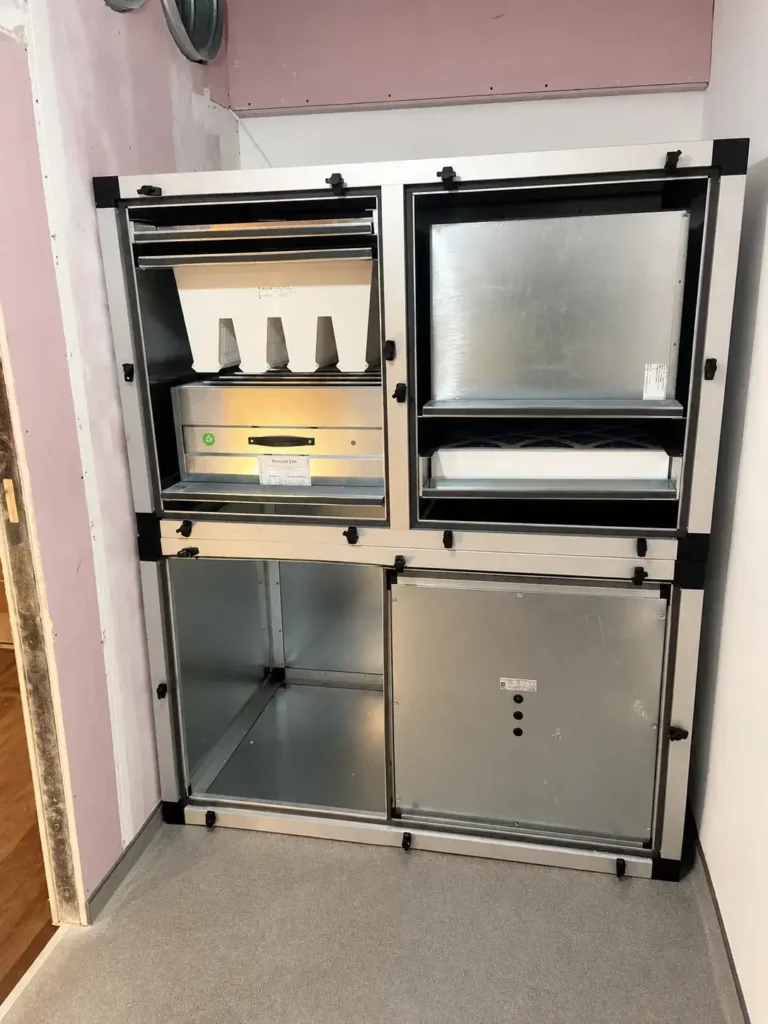
Activated carbon adsorbs cooking odours as the air passes through. It is practical and effective, though filters need replacing at regular intervals depending on how much cooking is done
UV-C lamps produce ozone and hydroxyl radicals that break down cooking odours. It costs more to install than carbon, but maintenance costs are much lower.
ESP units remove up to 98% of smoke, oil and grease particles, filtering down to sub-micron levels
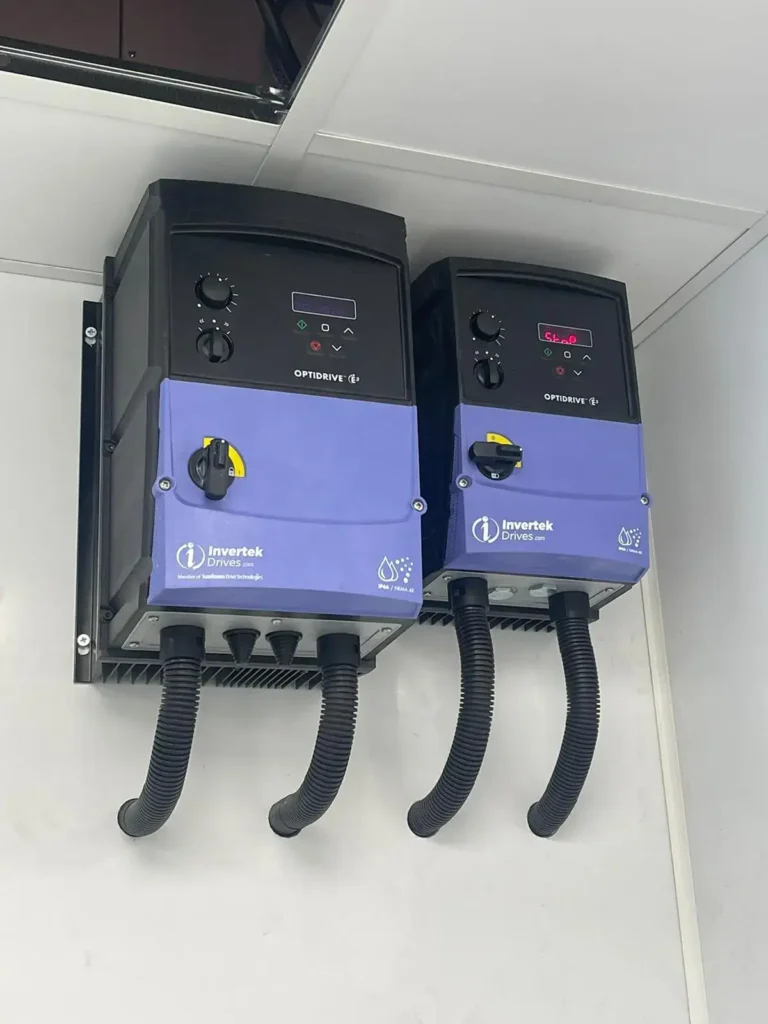
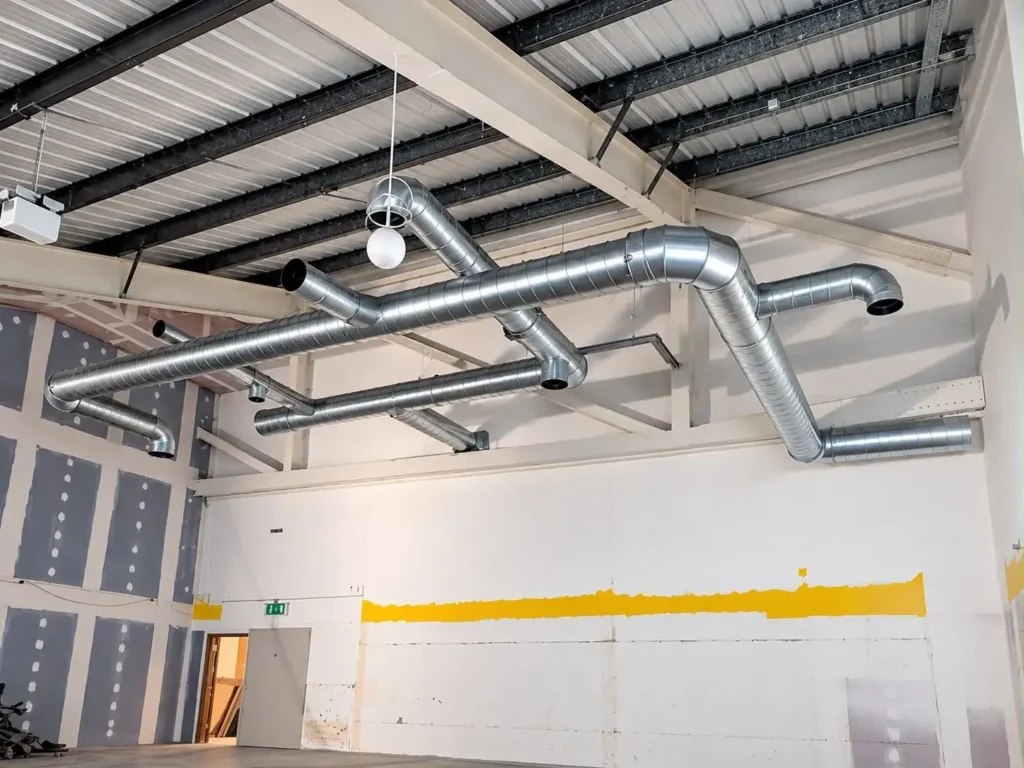
Duct attenuators (silencers), in-line or fabricated to suit, reduce noise from the fan motor and air velocity. Acoustic fan units are another option.
Smooth stainless steel surfaces and practical designs support everyday cleaning and help maintain a tidy working environment.
From preparation tables and sink units to wall shelving and bespoke workstations, every solution is designed to support efficient kitchen operations.

Every kind of Cooking

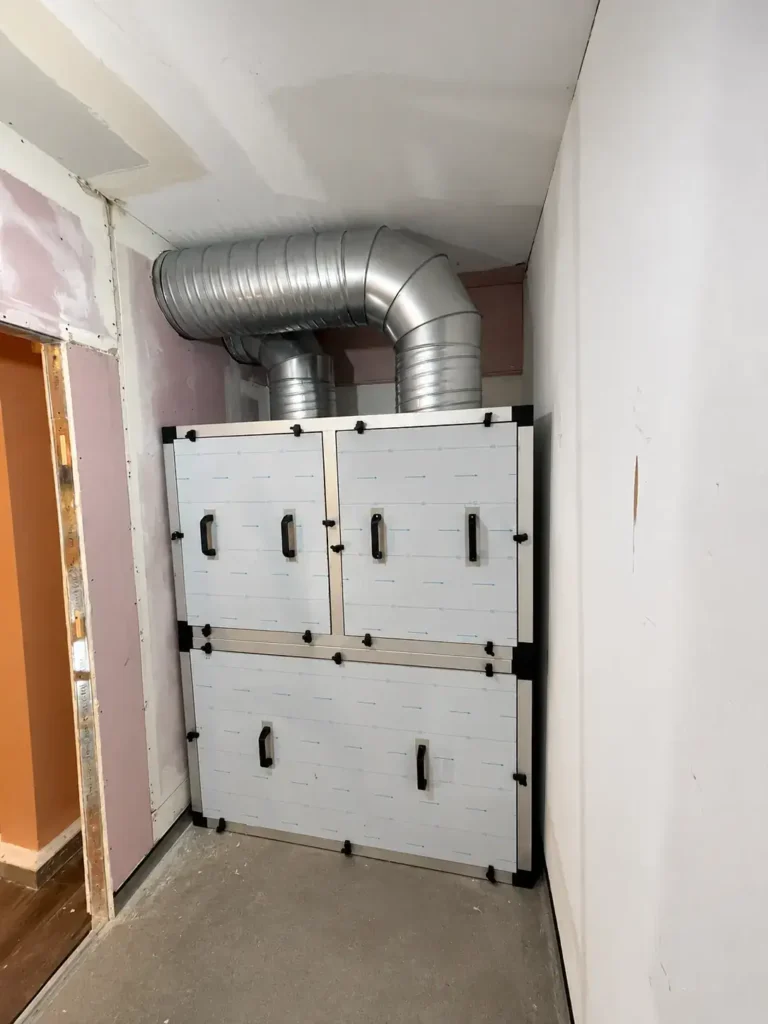
We have worked on projects for Chinese, Indian, Mexican, and English kitchens as well as pizza, chicken, and fast food restaurants, so we are aware of the noise, smoke, and odor that each type of cooking causes. We implemented a complete system in two days at Domino’s Pizza in Caerphilly, including carbon filtration for odor control and an acoustic fan with silencers for noise.

Discuss your project

Speak to someone who designs and builds these systems every day.

Monday to Saturday 9AM to 6PM

Common questions

Something else you need to know? Call the team or send an enquiry.

Requirements for noise and odour vary between councils, We design the ventilation system to meet the criteria your local authority has set and, where required, submit plans and specification data for approval before work starts.
Activated carbon is highly porous, so it has a huge surface area. As air passes through, cooking odours are adsorbed onto the surface. Carbon does not remove grease or dust, which would clog it, so it is used after grease filtration and replaced on a regular schedule.
It depends on the cooking, the site and running costs. Carbon is simpler to install; UV-ozone costs more initially but is cheaper to maintain. We recommend the right option once we know the menu and location.

Often Deliver Together